

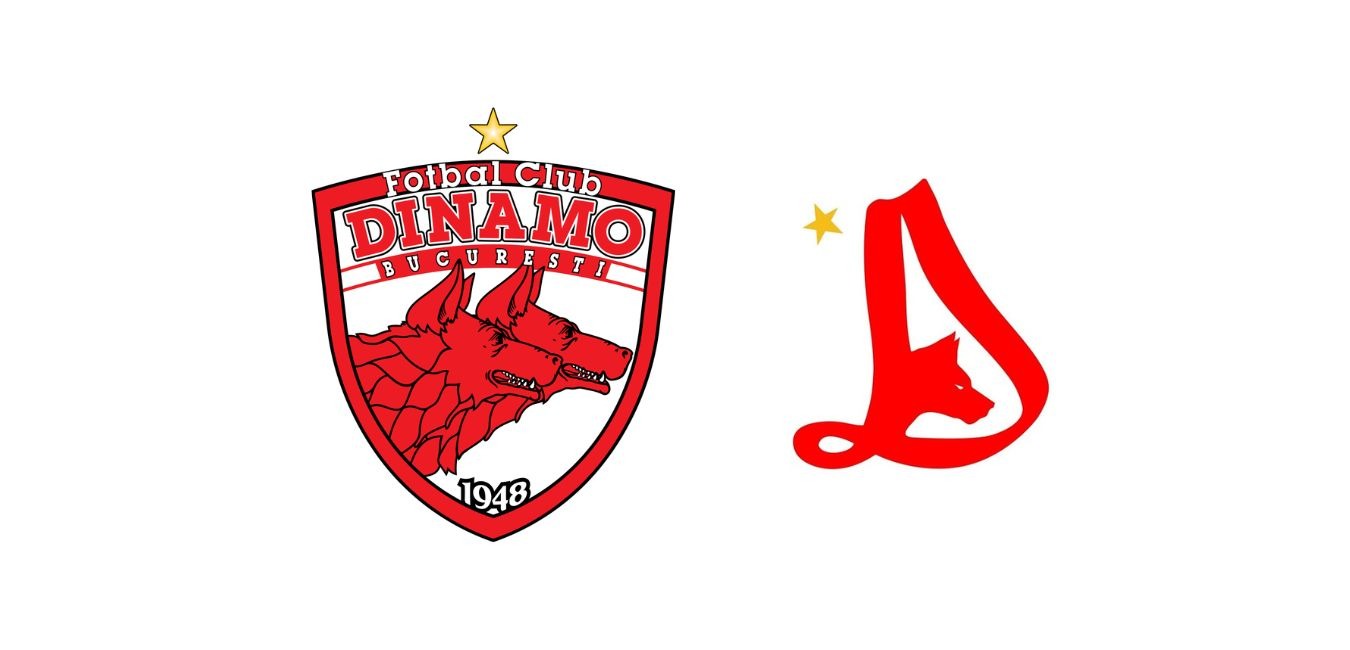
Dinamo Bucharest has ignited a fierce backlash after unveiling a new club logo intended to mark the beginning of a fresh chapter for one of Romania’s most storied clubs. What the leadership sees as a clean, modern rebrand, many supporters view as a betrayal of the club’s identity and history.
A breakup with tradition
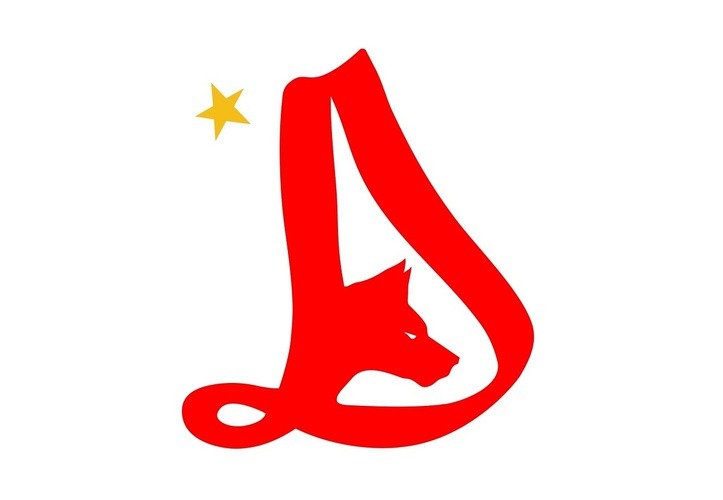
The redesigned emblem is set to be used from 1 July 2026 and has been presented as a symbol of a reconstructed Dinamo, free from the controversies and legal entanglements that have plagued the club in recent years. However, for many fans, the picture is far less optimistic. The new logo lacks the familiar elements that long anchored Dinamo’s visual identity, and that absence has been read as a rupture with the club’s past rather than a simple update.
Not only that, but it also looks like a non-binary design to many.
The strongest reaction came from Peluza Cătălin Hîldan, Dinamo’s most prominent supporter group, which publicly mocked the announcement and dismissed the new crest as a joke. Online comments echoed this sentiment, with messages ranging from “I hope this is a bad joke” to calls for petitions to stop the club from using the logo at all. The tone across social media is clear: a large portion of the fanbase feels that the club is discarding its emotional DNA.
Legends and emotions
Former Dinamo captain and club legend Cornel Dinu backed up the supporters’ mood, calling the new emblem “a disgrace” and saying it has no real connection to Dinamo’s identity. His criticism matters precisely because Dinu embodies the old guard, the generation for whom the club’s crest was more than a graphic—it was a symbol of pride, struggle, and history. When a figure like Dinu rejects the logo, many fans see it as confirmation that the club is losing touch with its roots.
The emotional weight of the crest cannot be underestimated. For decades, Dinamo’s identity has been tied to iconography, rivalry, and the sense of belonging that comes with wearing the club’s colours. The emblem is not just a logo on a jersey; it is a badge of memory, of victories, and of defeats. For many fans, replacing that badge without a compelling continuity narrative feels disrespectful.
The club’s defense
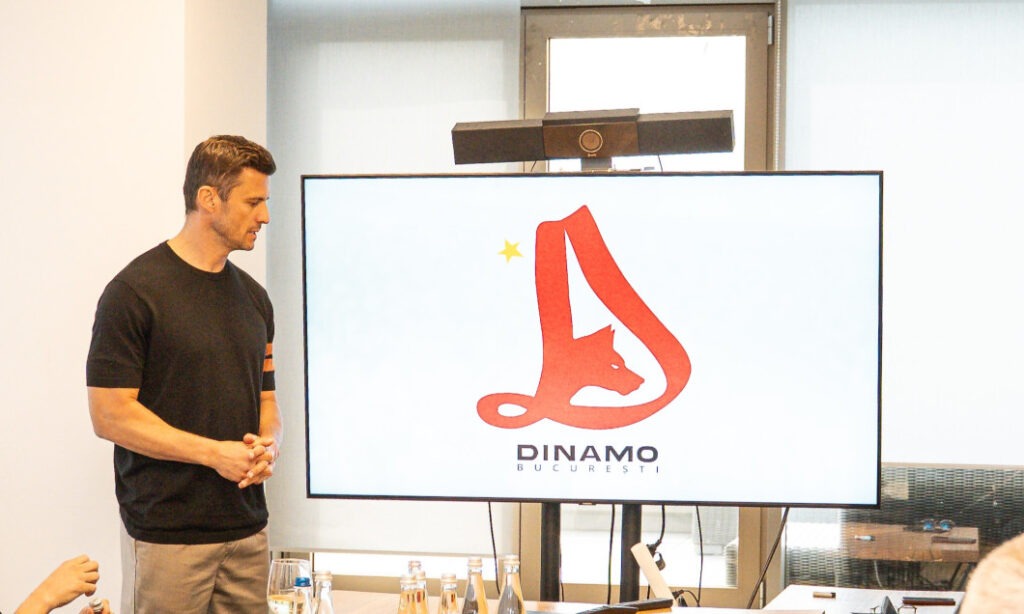
Club president Andrei Nicolescu has defended the move, arguing that the new logo was created from scratch and is now fully registered, ensuring clearer ownership and control over the club’s image. He insists that the project was discussed with club legends and that the feedback from that circle was positive, portraying the redesign as part of a broader, necessary modernisation effort.
Nicolescu also emphasised that Dinamo cannot change course every time public reactions turn negative. In his view, the club is not just managing expectations but trying to build a stable foundation for the future. For the leadership, the logo is a practical tool in that process: a simple, legally secure symbol that can be used without the complications of past disputes.
An identity clash, not just branding
At the heart of the dispute is not just taste in design, but competing visions of what Dinamo should be. The club is trying to position itself as a modern, streamlined project, while many supporters see Dinamo first and foremost as a historical and emotional institution. That clash is particularly sensitive in Romanian football, where identity and symbolism run deep, and slogans are treated as battle lines.
In this context, the logo becomes more than a visual choice. It is a political statement about what the club values: continuity with the past or a clean break toward the future. For many fans, the new emblem feels like the latter, and that perception is what is fueling the revolt. The club may control the logo, but it cannot easily control the sense of loss that many supporters feel.
What this means for Dinamo
The logo controversy comes at a sensitive time for Dinamo, as the club is still rebuilding trust on and off the pitch. A new crest, in theory, could have been an opportunity to unify supporters under a shared symbol. Instead, it has exposed how fragile the relationship between the club and its fanbase remains when identity is tampered with.
For Valahia News’ readers, the story is not about whether the logo is “good” or “bad” in design terms, but about what it reveals about Dinamo’s internal dynamics. The club wants to move forward; many fans want to, too, but they refuse to do so without their history. Until that tension is addressed, the new logo will remain a lightning rod for criticism rather than a symbol of unity.

