

Negotiations between Washington and Tehran end in mutual recriminations, deepening fears of renewed conflict in an already volatile region.
A gruelling 21-hour negotiating session between the United States and Iran ended without agreement in Islamabad on Saturday, leaving the fragile 2026 ceasefire in serious jeopardy and sending fresh shockwaves through an already destabilised Middle East. Both delegations emerged trading accusations of intransigence, with no date set for resumed talks.
The breakdown marks the most significant diplomatic setback since the current conflict erupted, and raises the immediate prospect of resumed hostilities across a region already buckling under the strain of proxy warfare and disrupted oil shipments.
Official statements
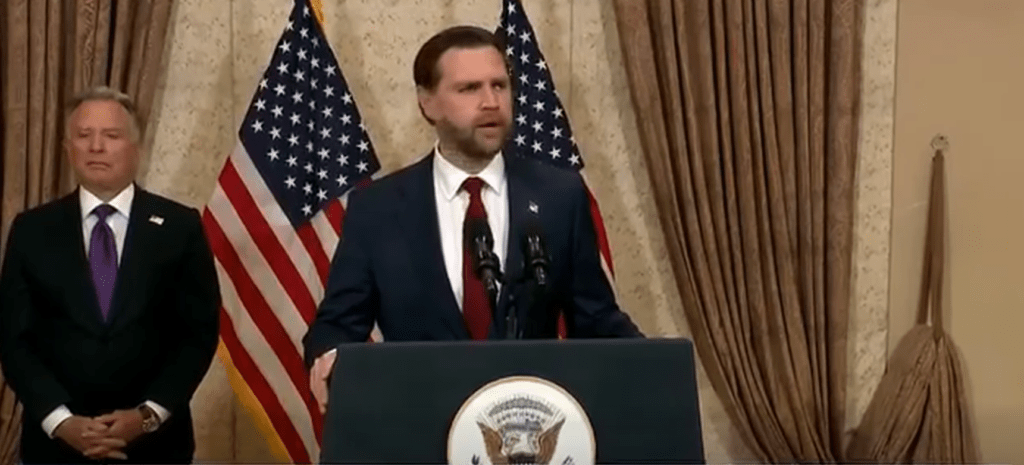
US Vice President JD Vance, who personally led the American delegation, squarely blamed Tehran for the failure. Iran, he said, refused to give verifiable commitments to abandon its nuclear weapons programme — a demand Washington has framed as non-negotiable. Vance described the outcome as “unfortunate for Tehran” while indicating that the American offer remains on the table should Iran reconsider.
“Washington’s best offer remains on the table — but Iran walked away. The consequences of that decision belong to Tehran alone.”
President Donald Trump, speaking separately, struck a harder tone. He pointed to prior US military strikes against Iranian targets as evidence of American resolve and signalled readiness for further action should the ceasefire lapse. Iranian Foreign Ministry spokesman Esmail Baghaei pushed back forcefully, calling the US demands on sanctions relief, nuclear limits and Strait of Hormuz security arrangements collectively unacceptable and designed to humiliate Tehran rather than achieve a genuine settlement.
Pakistan’s Foreign Minister Ishaq Dar urged both sides to exercise restraint and called on the parties to honour the existing ceasefire. Islamabad, he said, stands ready to host future negotiations — a signal of Pakistan’s growing ambition to position itself as an indispensable regional mediator.
Regional implications
The failure casts a long shadow over the fragile truce in the ongoing 2026 Iran war. Oil flows through the Strait of Hormuz — a chokepoint for roughly a fifth of global crude — remain vulnerable, and Gulf states are bracing for renewed instability. Proxy forces aligned with Tehran, including Hezbollah, are watching closely for any signal that restraint is no longer the order of the day.
Israel, meanwhile, is reported to be assessing the changed landscape carefully, with analysts in Jerusalem noting that a return to hostilities could offer opportunities to consolidate territorial and strategic gains against Iranian-backed actors along its northern borders. Pakistan’s prominence as a mediator underscores how the crisis has reshuffled regional influence in ways that would have seemed improbable only months ago.
European and global fractures
The talks’ collapse is also exposing deep rifts within the Western alliance. Spain and Italy declined US requests for military basing rights in connection with strikes on Iranian targets, with both governments describing those actions as contrary to international law. France moved to restrict access to its airspace for American operations, a step without precedent in recent NATO history.
President Trump has openly criticised allied reluctance, framing it as a failure of solidarity at a decisive moment. The episode has reignited a broader debate inside NATO about the scope of the alliance’s commitments and the limits of US unilateralism — a conversation that European capitals had hoped to defer.
On the global stage, commodity markets are already on edge. Analysts warn that a breakdown of the ceasefire could trigger sharp oil price surges, intensify proxy conflicts from Lebanon to Yemen, and test the capacity of international institutions to manage de-escalation in simultaneous theatres of crisis.

