

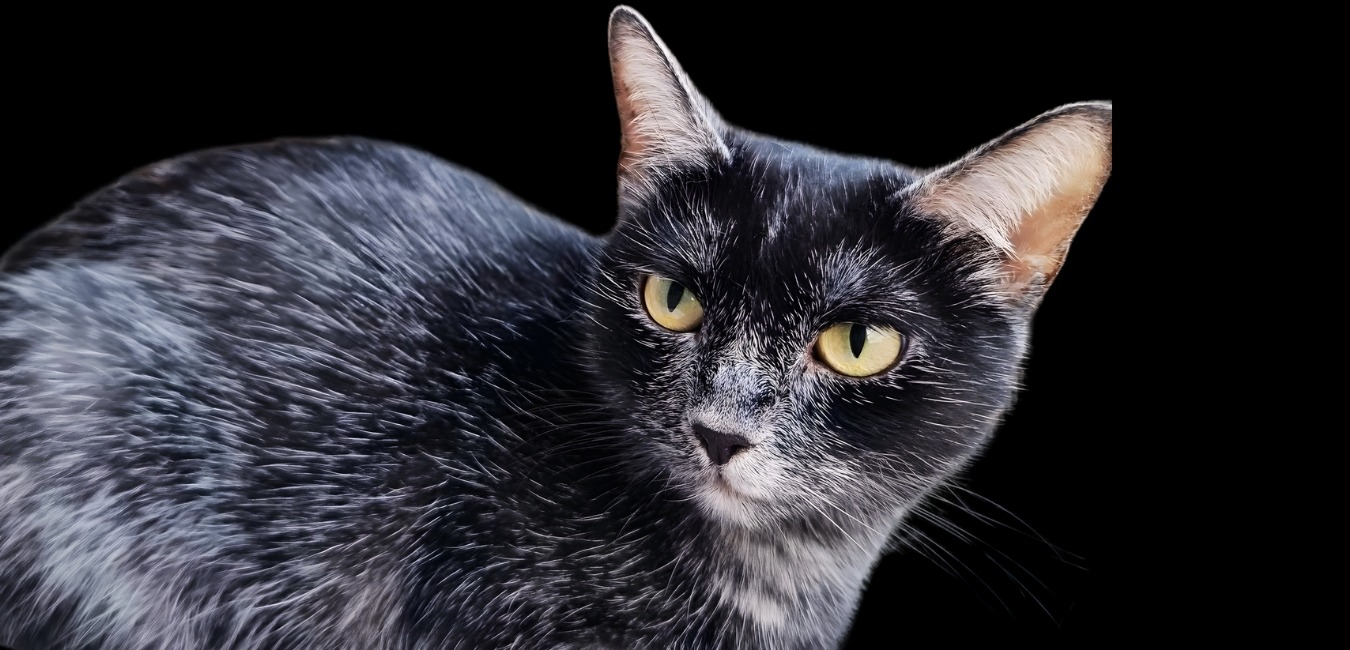
The Transylvanian breed cat is Romania’s first internationally recognised natural feline breed, officially presented to a global audience at the 2026 WCF World Show in Timișoara. Originating from the Carpathian Mountains, this rare cat combines a wolf-like aesthetic with a stable, affectionate temperament. With provisional recognition granted in 2026, the Transylvanian cat is rapidly gaining attention among European breeders and UK cat enthusiasts searching for a distinctive, emerging pedigree.
Origin of the Transylvanian Breed Cat
The Transylvanian breed cat was identified in 2014 in remote villages of the Carpathian region. Unlike many modern breeds developed through selective crossbreeding, this is considered a natural landrace population. The cats evolved with minimal human intervention, adapting to mountainous climates and isolated rural environments.
The breed takes its name from Transylvania, a historic Romanian region known for its forests, folklore, and mountainous terrain. Its dramatic appearance has earned it the nickname “Count Dracula’s cat,” a reference to the Gothic imagery associated with the area.
International Debut at the 2026 WCF World Show

The breed’s international debut took place at the 2026 edition of the World Cat Federation (WCF) World Show, hosted at Iulius Town in Timișoara. The event brought together established pedigree breeds, including the British Longhair, Maine Coon, Bengal, and Savannah.
Judges from multiple European countries evaluated the Transylvanian breed cat under provisional breed standards. Its presentation marked a milestone: Romania’s first domestically developed feline breed to enter formal international recognition pathways.
Full recognition is anticipated following completion of standardisation and breeding consistency requirements later in 2026.
Physical Characteristics of the Transylvanian Cat
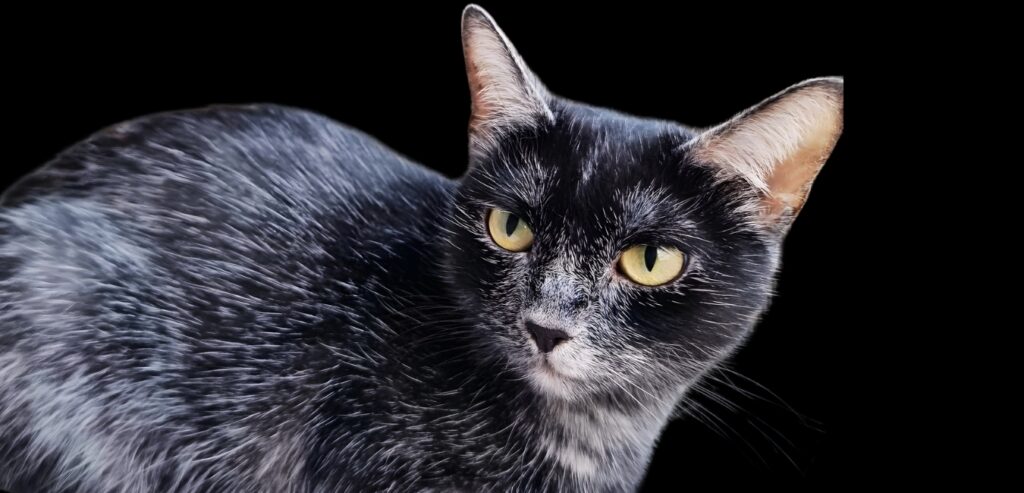
The Transylvanian breed cat is immediately recognisable due to its wolf-like facial structure and distinctive coat pattern.
Key features include:
- Black, silver, and white facial and extremity markings
- Temperature-sensitive pigmentation along the spine, similar to point-pattern breeds
- Prominent, large ears with visible white inner ear hair
- Partially pigmented whiskers
- Athletic, medium-sized build
The coat darkens along the dorsal line in cooler temperatures, a trait that increases its visual contrast and reinforces its wild aesthetic.
Temperament and Behaviour
Despite its rugged appearance, the Transylvanian breed cat demonstrates stable, people-oriented behaviour.
Temperament profile:
- Affectionate and loyal
- Socialise with family members
- Playful and active
- Suitable for households with children
- Adaptable to apartment living with sufficient enrichment
The breed exhibits high environmental awareness and moderate energy levels. It benefits from interactive play and structured routines but does not require excessive grooming. Its coat maintenance needs are considered moderate.
Living Requirements and Ownership Considerations
For prospective owners in the UK or Romania, the Transylvanian breed cat adapts well to urban flats or rural homes, provided stimulation and companionship are available.
Ownership considerations:
- Regular interactive play sessions
- Climbing structures or vertical space
- Balanced diet appropriate for active breeds
- Routine veterinary monitoring during the breed stabilisation phase
As a newly recognised breed, availability remains limited. Prospective buyers should verify the breeder’s registration and compliance with the federation.
Why the Transylvanian Breed Cat Is Gaining Attention
Search interest for “Transylvanian breed cat” has increased following its WCF presentation. Several factors contribute to its appeal:
- First internationally recognised Romanian cat breed
- Natural origin rather than designer crossbreed
- Distinct wolf-like appearance
- Manageable temperament for family settings
- Emerging rarity in the European pedigree market
Its development also signals Romania’s expanding presence in the structured pedigree breeding community.
Romania’s Growing Role in the Feline World
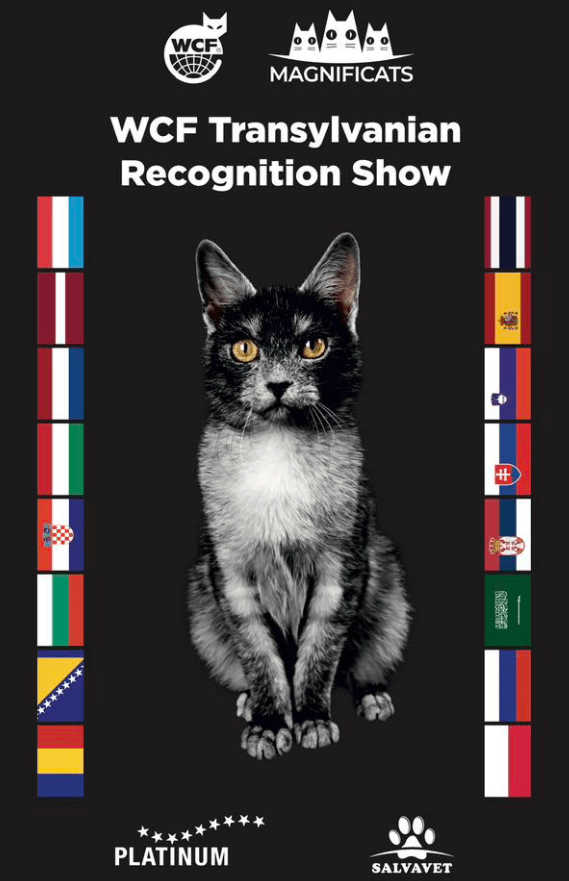
The 2026 WCF event in Timișoara demonstrated Romania’s increasing capacity to host international pet exhibitions. With breeders now working toward full breed confirmation, the Transylvanian cat represents both cultural identity and structured feline innovation.
As recognition progresses, the Transylvanian breed cat is positioned to become one of Eastern Europe’s most distinctive emerging pedigree breeds.

