

Romania woke up in Iran’s crosshairs today. The Islamic regime in Tehran has fired off an unprecedented warning to Bucharest — and the message could not be more chilling.
The Islamic government in Tehran warned Romania that providing its bases to the US Air Force amounts to direct participation in the attacks against Iran — and they want the world to know it.
The threat dropped like a bomb on Monday morning, straight from the podium of Iran’s Ministry of Foreign Affairs. Foreign Ministry spokesperson Esmaeil Baghaei warned Romania it would face political and legal consequences if it allowed the United States to use bases on its territory for operations against Iran.
His words were blunt, cold, and deliberate.
“If Romania provides its bases to the United States, we will give an appropriate legal and political reaction. Romania will be considered a participant in military aggression against Iran, and this action is completely unacceptable from the point of view of international law,” Baghaei declared.
Translation? Romania is now on Tehran’s list.
How Did We Get Here?
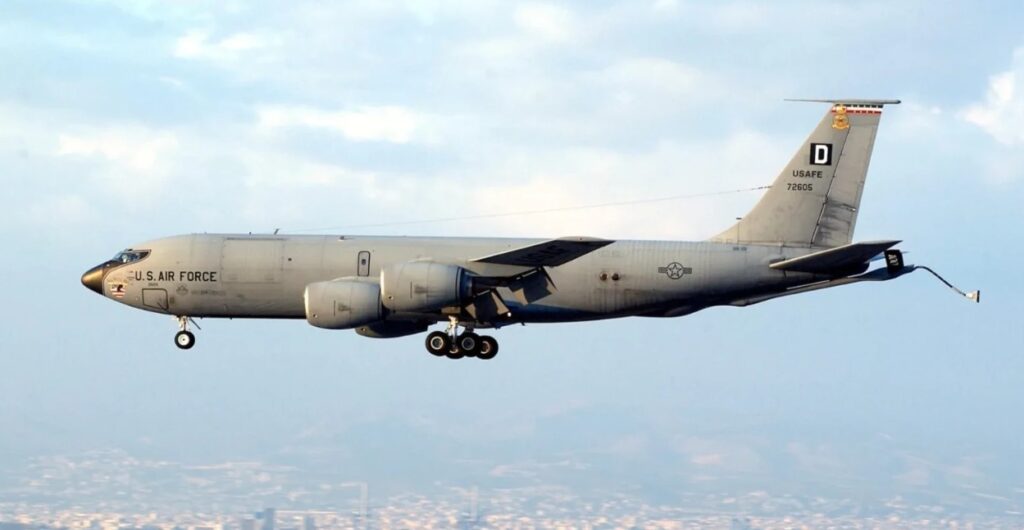
The first three KC-135 Stratotanker-type aircraft touched down in Romania on Sunday, March 15, along with a contingent of US soldiers. Romanian Defence Minister Radu Miruță confirmed the arrival, stating the planes carried no weapons or explosives on board and that Parliament had capped their numbers.
Romanian President Nicușor Dan — who approved the American request following a Supreme Council of National Defence meeting — insisted the equipment was strictly “defensive” and carries no munitions.
But Iran isn’t buying it.
Romania — A Bullseye on the Map?
Defence analysts warn that Romania’s involvement raises the national security stakes to an unprecedented level and puts the country on Iran’s map of potential retaliatory strike targets.
And it’s not just talk. Iran is said to possess the technical military capabilities to influence Romania and Moldova, especially given the region’s geopolitical context.
Romania is not alone in this dilemma — but it has made a bolder choice than many of its allies. While Bucharest said yes to Washington, other European nations took a very different path.
Deveselu: Romania’s Shield Against Iranian Missiles
Here is where the story takes a crucial turn — and where Romania holds a card most people forget.
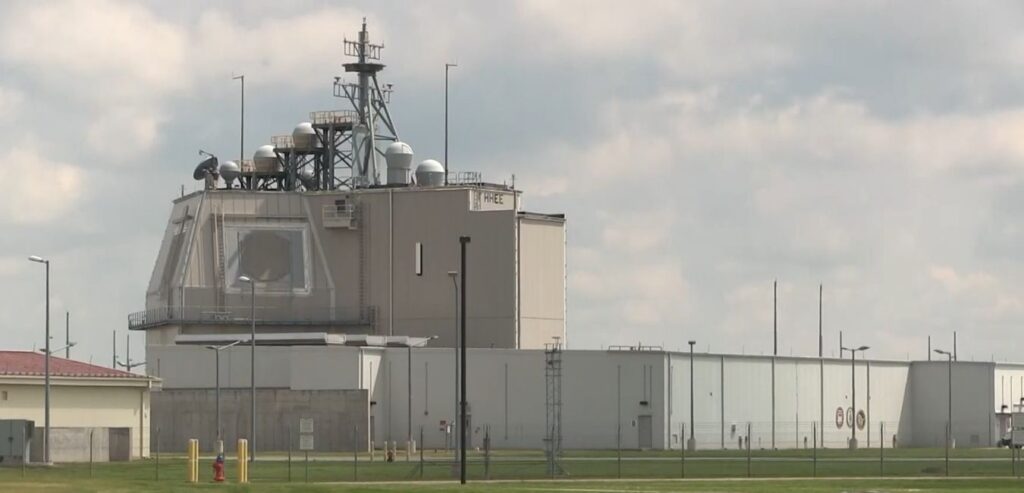
Deep in southern Romania, in the small town of Deveselu in Olt County, sits one of NATO’s most strategically vital installations: the Aegis Ashore missile defence system. Operational since 2016, the base was built for exactly this kind of moment.
The Deveselu shield is designed to intercept ballistic missiles launched from the Middle East — Iran being the primary threat scenario NATO planners had in mind from day one. Armed with SM-3 interceptor missiles, the system can track, target and destroy incoming ballistic threats long before they reach Romanian soil or penetrate deeper into NATO’s eastern flank.
In plain terms: if Tehran were ever reckless enough to fire missiles toward Romania or its NATO allies, Deveselu would be the first and most formidable line of defence standing in the way.
The base doesn’t just protect Romania. It serves as a protective umbrella for Bulgaria, Hungary, and the broader southeastern flank of the Alliance — a region that has never been more exposed than it is today. NATO military planners have long described Deveselu as a cornerstone of European missile defence architecture, a steel ceiling over Eastern Europe against precisely the kind of threat Iran now represents.
Iran has always despised Deveselu. Tehran has repeatedly condemned the base as a provocation, calling it an aggressive move disguised as defence. Now, with Iranian missiles already flying across the Middle East, those complaints have transformed into something far more sinister — open threats against a NATO member state.
Romania’s answer, however, is already in place. It stands 150 metres tall, pointed skyward, ready.
The Stakes Couldn’t Be Higher
Iran’s Foreign Minister Abbas Araghchi confirmed on Monday that Tehran has not requested a ceasefire and will continue to resist — without hesitation. The regime is in full war mode, and it’s lashing out at every country it sees as enabling its enemies.
Iran’s Foreign Ministry also confirmed that the Strait of Hormuz has not been closed, but that ship traffic is moving under special conditions, as Iranian armed forces control passage through the waterway — a chokepoint for global energy supplies that affects every European nation, including Romania.
Meanwhile, British Prime Minister Keir Starmer warned that reopening the Strait of Hormuz would “not be easy,” as the UK and its allies scramble to put together a collective plan to restore freedom of navigation.
What Comes Next for Romania?
Bucharest has planted its flag firmly in the American camp — and now it must live with the consequences. President Dan has reassured Romanians that there is nothing to fear. But with Iranian missiles flying across the Middle East and Tehran threatening anyone who dares help America, the question on every Romanian’s lips is the same:
Are we safe — or have we just made ourselves a target?
The answer, for now, points south — toward a small town in Olt County, where NATO’s shield stands watch over the night sky.
Valahia News is monitoring the situation in real time. Stay with us for updates.

