

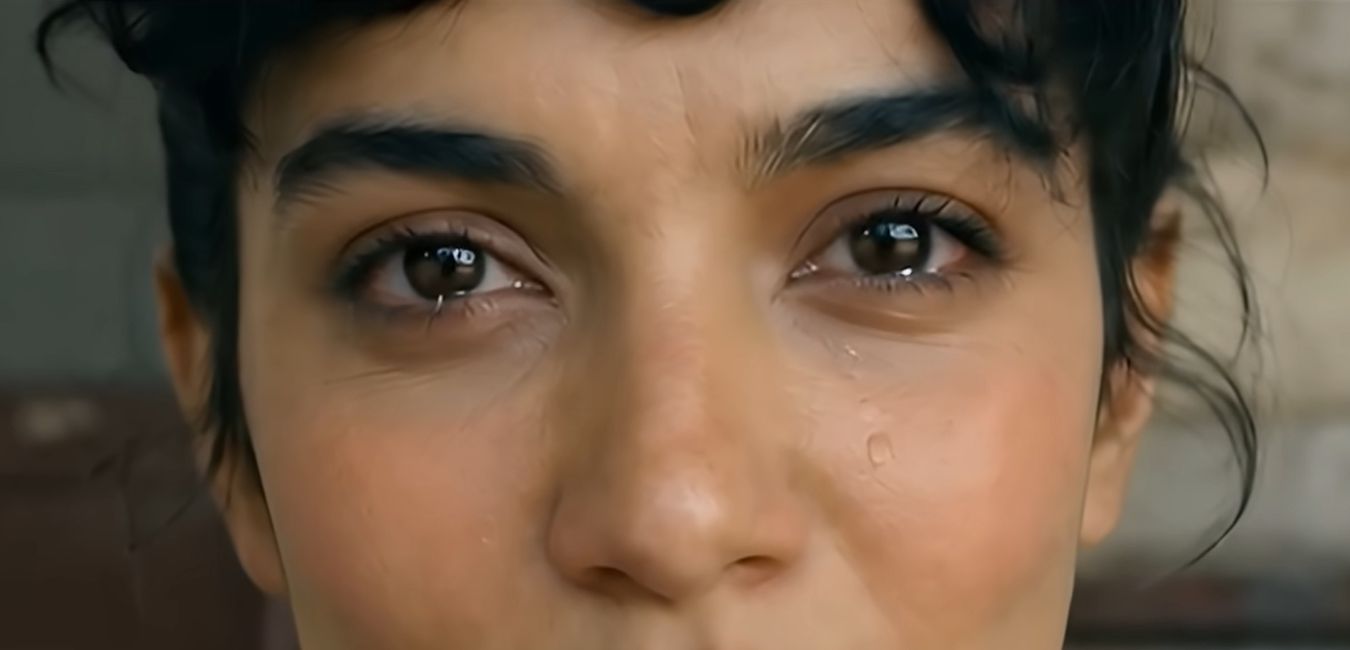
Lolita Cercel has become one of the most talked-about new names in Romanian pop after a sudden viral surge on TikTok and YouTube. Presented as a fully AI-generated performer – with an artificial voice, a virtual image, and music produced using AI-assisted workflows – she has quickly turned into a cultural flashpoint: a hit for some, a red line for others.
In just weeks, her tracks have been clipped, remixed, and reposted at scale, pushing her into mainstream conversation and forcing Romania’s music scene to confront a question that used to feel abstract: when a “star” is built by software, what exactly are people falling in love with?
Who is behind Lolita Cercel?
Romanian media have linked the project to a creator known publicly only as “Tom,” described as a young visual designer who chose to remain anonymous. According to accounts attributed to him, he writes lyrics, shapes the character’s persona, and uses AI tools to generate the vocal performance and accelerate production across audio and video.
The intent is clear: keep the human operator in the background and let the virtual artist take the spotlight – complete with a consistent look, tone, and attitude that can be deployed across platforms at speed.
Why did her rise happen so fast?
Lolita’s breakout follows a modern, platform-first formula. The songs are structured around immediate hooks, high-energy rhythms, and short sections that translate cleanly into 10–20 second clips – exactly what drives discovery on TikTok-style feeds. At the same time, the visuals are optimised for retention: a coherent, repeatable aesthetic that makes the character instantly recognisable even when users encounter her in fragments.
What’s different is the pace. The project has been described as releasing multiple tracks in a short window, with rapid turnaround from idea to finished clip – something that would be difficult to match with traditional production cycles.
The fan effect: duets, edits, and a “real” digital presence
Once a virtual persona reaches critical mass, audiences become the engine. Lolita Cercel’s rise has been amplified by user-generated edits, duet formats with influencers, and meme-like repetition of specific lines and choruses. That repetition builds familiarity, and familiarity builds belief.
For many listeners, “real” stops meaning “human” and starts meaning “consistently present.” If an artist shows up every day in the feed, in the same voice, with the same identity cues, the brain processes that presence as authentic, regardless of how it was made.
Backlash from musicians: shortcuts, craft, and the fear of displacement
The backlash has been immediate. Critics from within the music ecosystem argue that AI-driven pop normalises shortcuts and creates an uneven playing field, especially for performers who build careers through years of training, studio time, and live performance.
A second line of criticism targets the underlying generative process itself. Some commentators claim that AI systems learn style, phrasing, and structure from massive pools of human-made work without transparent consent or compensation, raising concerns about what “originality” means when creation is statistical synthesis at scale.
The cultural fault line: representation and the ethics of aesthetic borrowing
Beyond industry anxiety, the most sensitive debate centres on cultural representation. Lolita’s branding has been discussed as leaning into visual and thematic cues associated with Roma-influenced pop aesthetics and Romanian urban street styling – elements that carry real cultural weight. Critics argue that these cues can be packaged for algorithmic performance without accountability, while supporters counter that pop has always been a hybrid space where styles circulate and evolve.
This is where the conversation moves from “music tech” into ethics: who gets to use which symbols, for what purpose, and who benefits when those symbols go viral.
What Lolita Cercel changes in Romanian pop
Lolita Cercel is more than a viral curiosity. She functions as a stress test for the Romanian pop ecosystem: audiences rewarding speed and novelty, creators learning that music can be shipped like content, and critics warning that artistic labour and cultural meaning can be flattened into high-performing templates.
Whether the project fades or evolves into a long-running franchise, the disruption is already here. The debate is no longer theoretical. It has a name, a face, and a voice, and that name is Lolita Cercel.
Still doubt if AI will replace humans? But of course it will!

