

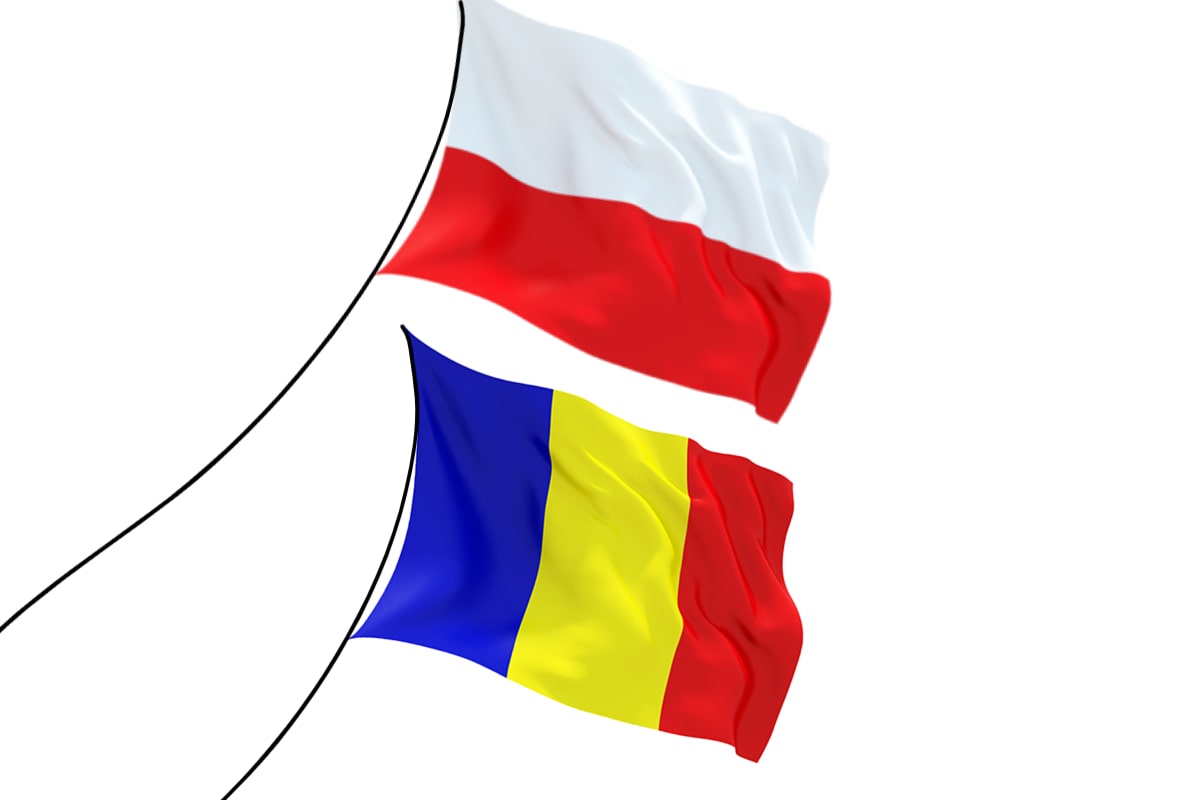
In modern geopolitics, influence is not only delivered through infrastructure, grants, and meetings. It is manufactured through lobbying systems that control the agenda, repetition, and legitimacy. Poland is now applying that system to the Republic of Moldova in a way Romania still refuses to match.
The most revealing move is not a summit photo. It is a media product.
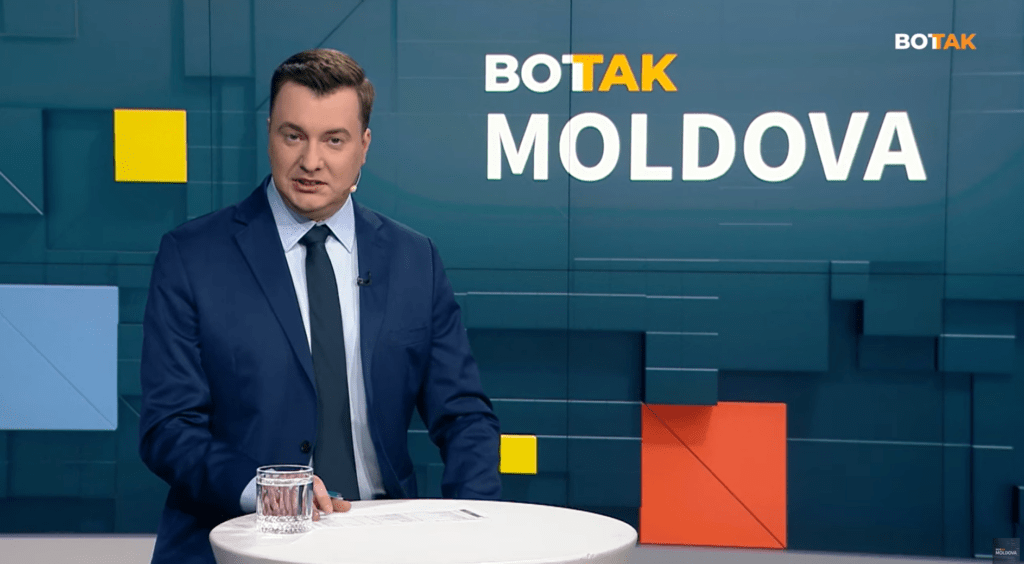
Polish Public Television built “Vot Tak. Moldova” as a Moldova-focused news service in 2025, initially produced for a Russian-speaking audience inside Moldova. On 2 February 2026, TVP escalated the project by launching a Romanian-language version for Moldovans. The stated purpose is explicit: expose Russian disinformation, counter Russian narratives in politics and history, and show what Moldova gains from EU accession. This is not charity broadcasting. This is state-grade influence architecture, targeted at a single country, designed to operate continuously.
Now add the political validation. On 26 January 2026, Maia Sandu publicly described Poland as a consistent and credible advocate for Moldova in the European Union. Poland’s President Karol Nawrocki reinforced the script by promising continued support for Moldova’s EU path and reforms. That is how lobbying power works: a target state endorses you as its advocate, you repeat the message with discipline, and then you build instruments underneath until the role becomes “obvious” to everyone in Brussels.
Here is the uncomfortable part for Bucharest.
Romania has structural leverage in Moldova that Poland cannot replicate. Geography, interconnections, language, family ties, economic gravity, and energy connectivity. Romania has delivered real, practical outcomes that matter for Moldova’s resilience. None of that is in dispute.
But Romania still behaves as if proximity automatically equals influence. It does not.
Poland is doing something Romania does not do at scale or with comparable visibility: it is building a dedicated narrative engine for Moldova within its own public media ecosystem and aligning it with a broader political advocacy role. Once you control narrative space, you shape what the public thinks is normal, what reforms look like, what threats look like, and what “Europe” means. Then the rest of the policy stack becomes easier to sell.
Romania continues to operate in its comfort zone. It helps because it feels natural. It assumes the role is reserved for it. It rarely packages its Moldova agenda as a disciplined lobbying file that other capitals can immediately recognise: a clear leadership claim, repeatable instruments, a visible policy brand, and, yes, a strategic media presence that can compete in an information war.
Poland is not “stealing” Moldova from Romania. Poland is taking on the role that Romania refuses to claim.
And this is how you get surpassed without losing a single project on paper. First, you lose the narrative credit. Then you lose agenda control. Then you discover that someone else is now the default advocate in rooms where decisions are shaped.
If Romania wants to stop being treated like a helpful neighbour and start being treated like a strategic sponsor, it has to stop acting like the role is automatic. Poland just proved, with a Moldova-dedicated news service, that modern influence is built, not inherited.

